Pay Online


Are you getting ready for a dental procedure that involves crowns? If so, you might be wondering: what’s the difference between temporary and permanent crowns? Many patients face this question when they need tooth restoration. Understanding what to expect from both types can help alleviate any concerns and prepare you for the process ahead.
In this blog, we’ll break down the differences between temporary and permanent crowns, highlight the benefits of each, and guide you through what you can expect during the procedure. Whether you’re in need of a temporary solution while your permanent crown is being made or are receiving a long-term restoration, we’ll walk you through every step of the way to ensure you’re fully informed.
What Are Dental Crowns?
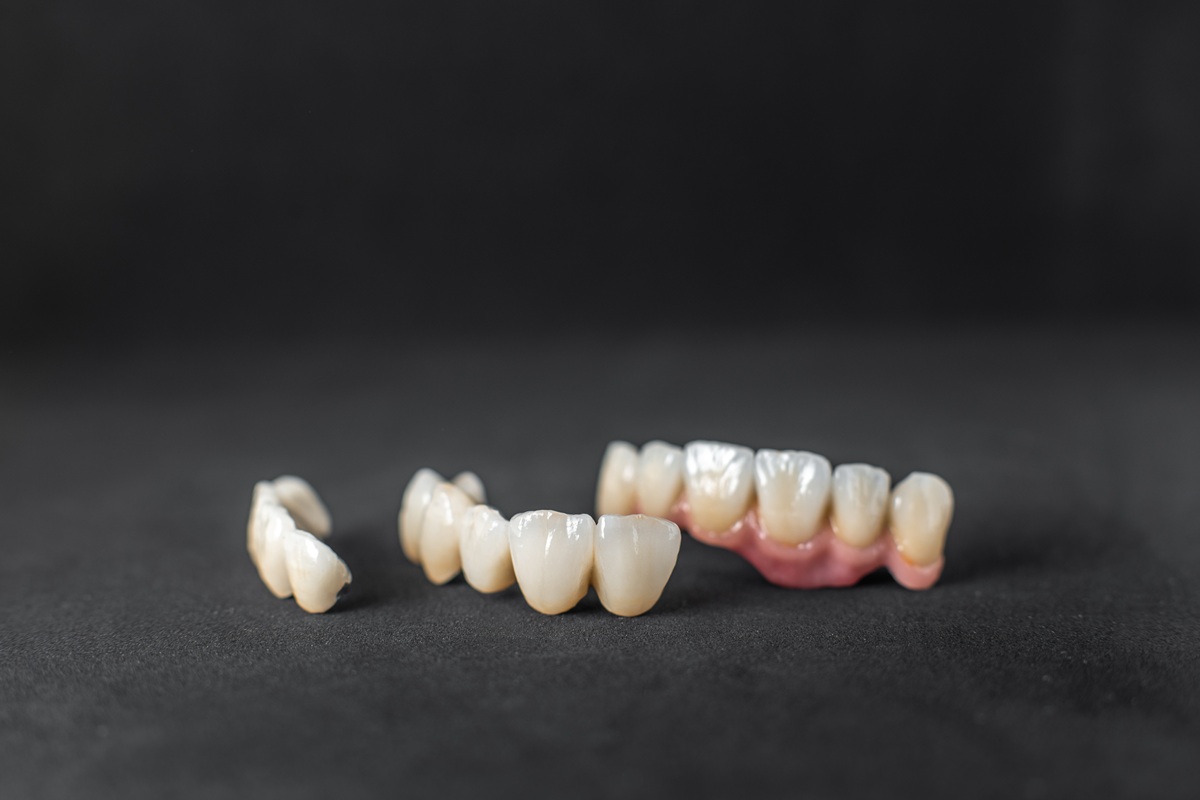
Dental crowns are custom-made caps designed to cover damaged teeth, restoring their shape, size, strength, and appearance. They’re typically used when a tooth is too damaged to be repaired with a filling but still has a solid root structure. Crowns are versatile and can be used for a variety of reasons, such as protecting weak teeth, restoring broken or worn-down teeth, or improving the appearance of discolored teeth.
Crowns come in a variety of materials, each with its own advantages. Some common types include:
- Porcelain Crowns: Known for their natural appearance, porcelain crowns are often used for teeth visible in the smile. They mimic the color and texture of natural teeth.
- Metal Crowns: These crowns are made from durable metals like gold or stainless steel. While they may not be as aesthetic as porcelain, they are incredibly strong and ideal for back teeth that endure heavy chewing pressure.
- Porcelain-fused-to-Metal Crowns: These crowns combine the durability of metal with the aesthetic appeal of porcelain, offering a balance of strength and appearance.
- Resin Crowns: These are typically used for temporary crowns and are more affordable but less durable than other options.
Each type of crown serves a specific purpose based on the patient’s needs, and your dentist at Ryan J. Poppin, DDS will help guide you in choosing the right one.
Temporary Crowns: What to Expect
What Are Temporary Crowns?
Temporary crowns are a short-term solution placed over a prepared tooth while a permanent crown is being fabricated. These dental crowns are designed to protect the tooth and maintain its shape until the permanent one is ready for placement. They are not intended for long-term use due to their material composition and functionality, but they play an essential role during the restoration process.
Purpose & Benefits
Temporary crowns serve several key purposes:
- Protection: They safeguard the exposed tooth, preventing further damage or sensitivity.
- Aesthetic Appearance: While not as natural-looking as permanent crowns, they help maintain the tooth’s appearance until the final restoration is ready.
- Functionality: They allow you to continue normal activities, such as eating and speaking, without worrying about damaging the prepared tooth.
Process of Getting a Temporary Crown
The process begins with your dentist preparing the tooth by removing any decayed or damaged material. Afterward, your dentist will take an impression of the tooth to create the custom-fit temporary crown. The temporary crown is then placed and adjusted for fit and comfort.
The procedure usually takes one appointment, and your dentist will ensure the temporary crown fits securely, while allowing you to feel comfortable and maintain normal dental function.
Duration & Care
Temporary crowns typically stay in place for a few weeks, while your permanent crown is being crafted in a lab. It’s important to follow your dentist’s care instructions during this period. Avoid sticky foods and hard items to prevent dislodging the temporary crown. If it does come loose, contact Ryan J. Poppin, DDS, immediately to have it repositioned.
Potential Concerns
While temporary crowns are functional, they come with certain limitations:
- Durability: They are not as strong as permanent crowns and can break or wear down more easily.
- Appearance: Temporary crowns are usually made from materials like acrylic, which may not match the natural tooth color perfectly.
- Comfort: Some patients may feel that the temporary crown doesn’t fit as precisely as a permanent one, causing minor discomfort.
Permanent Crowns: What to Expect
What Are Permanent Crowns?
Permanent crowns are custom-made restorations designed to fit over a prepared tooth, providing long-lasting protection and enhancing the tooth’s appearance. They are intended to stay in place for many years, making them a durable solution for tooth restoration.
Purpose & Benefits
Permanent crowns offer several long-term advantages:
- Durability: Made from stronger materials like porcelain, porcelain-fused-to-metal, or even gold, permanent crowns are designed to last many years with proper care.
- Natural Appearance: Porcelain crowns, in particular, blend seamlessly with your natural teeth, ensuring that your smile looks beautiful and natural.
- Strength: Permanent crowns are more resistant to wear and tear compared to temporary ones, making them suitable for long-term functionality.
Process of Getting a Permanent Crown
The process of getting a permanent crown usually requires two visits:
- Initial Visit: During the first visit, the dentist prepares the tooth, takes impressions, and places a temporary crown to protect the tooth while the permanent one is made.
- Final Visit: Once the permanent crown is ready (typically in 1-2 weeks), you return to the office for fitting. The dentist ensures the crown fits securely, adjusts it if necessary, and bonds it permanently to your tooth.
Durability & Longevity
Permanent crowns, depending on the material used, can last anywhere from 10 to 20 years or longer. Porcelain-fused-to-metal and gold crowns are known for their resilience and long lifespan. Maintaining regular dental hygiene and routine check-ups at Ryan J. Poppin, DDS will help ensure your crown remains in excellent condition.
Key Differences Between Temporary and Permanent Crowns
Durability
- Temporary Crowns: These crowns are made from softer materials like acrylic or composite resin, making them less durable and more prone to damage. They are only intended to last for a short period before being replaced by a permanent crown.
- Permanent Crowns: Made from more durable materials such as porcelain, metal, or porcelain-fused-to-metal, permanent dental crowns in Ripon are built to last for many years.
Comfort
- Temporary Crowns: While they fit the tooth, temporary crowns may not provide the same level of comfort or precision as permanent ones, as they are not custom-fitted for long-term use.
- Permanent Crowns: These crowns are meticulously crafted to ensure a perfect fit, offering more comfort and stability over time.
Aesthetic Appearance
- Temporary Crowns: Temporary crowns are made from materials that may not match your natural teeth as closely, affecting the overall look of your smile.
- Permanent Crowns: Permanent crowns, especially porcelain ones, are designed to mimic the appearance of natural teeth, offering a seamless, natural look.
Cost
- Temporary Crowns: Typically less expensive than permanent crowns due to the materials and temporary nature of the restoration.
- Permanent Crowns: While more costly, permanent crowns are a long-term investment in your oral health and aesthetic appeal.
When to Expect the Switch: From Temporary to Permanent Crowns
Timing
It generally takes 1-2 weeks for your permanent crown to be fabricated in a dental lab. During this time, your temporary crown will protect the prepared tooth, maintaining function and appearance.
What to Expect During the Switch
At your second appointment, the temporary crown will be removed, and your dentist will check the fit and appearance of the permanent crown. Adjustments will be made as necessary, and the crown will be bonded to the tooth. The process typically takes less than an hour, and you’ll leave with your permanent restoration in place, ready to last for many years.
Whether you’re receiving a temporary crown or a permanent one, both play a crucial role in restoring the health and appearance of your smile. While temporary crowns serve as a protective step, permanent crowns provide long-term durability and natural aesthetics. At Ryan J. Poppin, DDS, we’re here to ensure that your treatment goes smoothly, whether you’re preparing for a temporary crown or looking forward to the final result.
If you’re in need of a dental crown or have any concerns, contact our office today to schedule a consultation. We’ll guide you through the entire process and help you achieve the healthy, beautiful smile you deserve.
Frequently Asked Questions
How long does a temporary crown last?
Temporary crowns typically last 1-2 weeks until your permanent crown is ready. They are not meant for long-term use.
Can I eat normally with a temporary crown?
It’s best to avoid hard, sticky foods with a temporary crown to prevent it from loosening or breaking.
How long does a permanent crown last?
Permanent crowns can last 10-20 years or more with proper care, depending on the material used.
What materials are permanent crowns made from?
Permanent crowns are commonly made from porcelain, porcelain-fused-to-metal, or metal alloys, offering strength and a natural appearance.
How do I care for my permanent crown?
Brush and floss regularly to maintain the health of your crown and surrounding teeth. Avoid hard foods that could damage the crown.