Pay Online


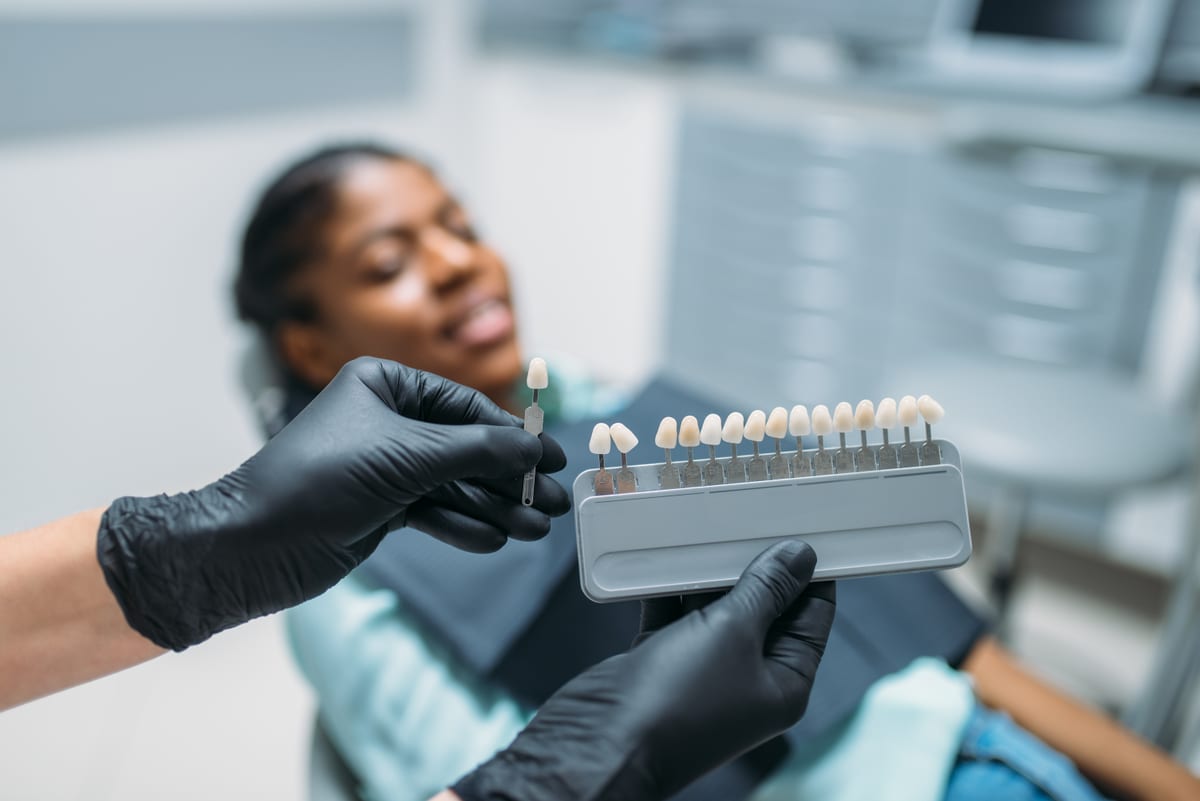
Your bright smile fades — and in Salida, that’s a concern we hear often. Patients invest in professional whitening treatments, then feel frustrated weeks later when stains creep back. Keeping teeth white is not a one-time event. It requires consistent habits, smart choices, and occasional professional support. This guide explains exactly what works and why.
Why Your Smile Loses Its Brightness Over Time
Tooth enamel is porous. It absorbs pigments from food, drinks, and other daily exposures. Professional whitening opens those pores temporarily, which makes early post-treatment habits especially important. What you do in the first 48 hours after whitening makes a significant difference.
Saliva naturally helps remineralize enamel over time. However, repeated exposure to acidic or dark-colored substances overwhelms that protection. Even tap water quality can play a role in how quickly staining develops. Understanding these mechanisms helps you make smarter choices every day.
Aging also thins enamel gradually. Thinner enamel reveals more of the yellow dentin underneath. This means maintenance efforts need to become more consistent as time passes, not less.
Daily Habits That Actually Keep Teeth White in Salida
Brushing twice daily is the baseline — but technique matters just as much as frequency. Use a soft-bristled toothbrush and gentle circular strokes. Aggressive brushing erodes enamel and makes staining worse over time. A whitening toothpaste used two to three times per week adds a helpful boost without causing sensitivity.
Flossing removes plaque buildup between teeth. That buildup absorbs stains and darkens the spaces between your smile. Rinsing with an alcohol-free mouthwash after meals can reduce staining compounds before they set into enamel. These small habits compound into major long-term results.
- Brush twice daily with a soft-bristled toothbrush
- Use whitening toothpaste two to three times per week
- Floss daily to remove stain-trapping plaque
- Rinse with alcohol-free mouthwash after meals
- Drink water after consuming staining foods or beverages
- Chew sugar-free gum to stimulate saliva production
Staying hydrated supports saliva flow, which naturally cleanses the teeth throughout the day. Drinking water immediately after coffee, tea, or wine dilutes staining compounds before they absorb. This simple step preserves whitening results significantly longer.
Foods and Drinks to Limit After Whitening Treatment
Certain foods and beverages are notorious for reversing whitening results. Coffee and red wine top the list. Both contain deep pigments called tannins that bind directly to tooth enamel. Even moderate daily consumption can noticeably dull a freshly whitened smile within weeks.
Berries, tomato-based sauces, and soy sauce also contribute heavily to staining. These are healthy foods worth keeping in your diet — just rinse with water immediately after eating them. Using a straw for dark beverages limits contact with the front teeth and helps preserve brightness.
- Coffee and black tea — drink through a straw when possible
- Red wine — rinse with water immediately after drinking
- Blueberries and blackberries — enjoy in moderation and rinse after
- Tomato sauce and ketchup — limit frequency and rinse thoroughly
- Soy sauce and balsamic vinegar — use sparingly
- Colored sports drinks and sodas — replace with water when possible
Acidic foods like citrus soften enamel temporarily. Brushing immediately after eating acidic foods can actually accelerate enamel erosion. Wait at least 30 minutes before brushing after consuming citrus or vinegar-based foods.
How Often You Should Schedule Whitening Touch-Ups
Most patients benefit from professional touch-up treatments every six to twelve months. The exact frequency depends on your lifestyle habits and your natural enamel composition. Patients who drink coffee daily or smoke may need touch-ups closer to every four to six months.
At-home whitening trays provided by our dental team offer a convenient maintenance option. Custom-fitted trays deliver whitening gel evenly and safely between professional visits. Over-the-counter strips are less effective because they do not conform precisely to your tooth shape.
Touch-up sessions are typically shorter and less intensive than initial whitening treatments. Many patients need only 30 to 60 minutes to restore their results. Combining professional touch-ups with strong daily habits produces the most durable brightness over time.
Our dental team also reviews your overall oral health during whitening appointments. Conditions like gum recession or enamel wear affect how safely and effectively whitening works. Catching these changes early helps protect both your smile and your long-term dental health. If you are also exploring restorative options, ask about Dental Implants to understand how implant-supported teeth maintain their appearance differently than natural enamel.
Products That Help Maintain Your White Smile at Home
Choosing the right products makes home maintenance far more effective. Whitening toothpastes with hydrogen peroxide or baking soda gently lift surface stains. Look for products with the ADA Seal of Acceptance to ensure safety and effectiveness. Avoid highly abrasive formulas that promise extreme whitening — they damage enamel over time.
Electric toothbrushes consistently outperform manual brushing for plaque removal. Less plaque means fewer staining compounds sticking to your teeth. Many models include pressure sensors to prevent enamel-damaging over-brushing. This technology is a worthwhile investment for long-term whitening maintenance.
Whitening pens are a convenient touch-up tool for quick use after meals. They work best as a supplement to professional care, not a replacement. If you have restorations like Dental Inlays Onlays, note that whitening agents do not change the color of dental materials — only natural enamel responds to whitening treatments.
Conclusion: Keep Your Smile Bright With Consistent Care
Your bright smile fades without intentional daily effort — but it does not have to. Salida patients who combine professional touch-ups with smart home habits enjoy noticeably longer-lasting results. The strategies in this guide are simple, evidence-based, and easy to build into your routine. Small consistent actions protect your investment far better than any single treatment can. Book Now to schedule your appointment with our team.
Frequently Asked Questions
How long does professional teeth whitening last?
Professional whitening results typically last six to twelve months. Longevity depends on your diet, daily habits, and how consistently you follow a maintenance routine. Patients who limit staining foods and use at-home whitening trays regularly see results that last closer to twelve months.
Can I whiten my teeth too often?
Yes, over-whitening can cause enamel erosion and tooth sensitivity. Most dental professionals recommend professional whitening no more than once or twice per year. Between sessions, at-home maintenance products and trays are safer options for keeping your smile bright.
Why do my teeth look yellow again so quickly after whitening?
Teeth naturally re-stain because enamel is porous. Coffee, tea, wine, and certain foods reintroduce pigments almost immediately after whitening. The 48 hours following treatment are the most vulnerable period — avoiding staining foods during this window makes a significant difference.
Do whitening toothpastes actually work?
Whitening toothpastes can remove surface stains and help maintain brightness between professional treatments. They work best when used consistently alongside good brushing and flossing habits. They cannot, however, change the intrinsic color of your teeth the way professional whitening gel does.
Should I avoid whitening if I have dental restorations?
Whitening treatments only affect natural tooth enamel — not crowns, veneers, fillings, or inlays and onlays. If you have restorations in visible areas, our dental team can help you plan a whitening approach that keeps your natural teeth and restorations looking consistent together.