Pay Online


Many adults in Ripon believe orthodontic treatment is only for teenagers. That belief keeps a surprising number of people from ever asking about their options. The truth is that adults who thought they’d missed their window can still straighten teeth in Ripon — and more people are doing it than ever before. Modern dental technology has made adult teeth straightening safer, faster, and more discreet than it was a generation ago.
Why Adults in Ripon Think It’s Too Late to Straighten Their Teeth
Most of us grew up watching classmates get metal braces in middle school. That experience created a strong mental image: orthodontic treatment is a childhood milestone. If you missed it, the assumption is that you simply missed it for good.
That assumption is completely understandable — but it is also outdated. Teeth can shift and move at any age. The biological process that allows teeth to reposition does not stop working after your teenage years.
Many adults also worry about looking unprofessional during treatment. Others have dismissed the idea because they assumed the process would take years. These are common concerns, and they deserve honest, straightforward answers from a dental team that works with adult patients regularly.
The Real Reasons Adults Straighten Teeth — It Goes Beyond Appearance
Straightening your teeth as an adult is not purely a cosmetic decision. Misaligned teeth create real functional problems that worsen over time. Crooked or crowded teeth are harder to clean, which increases the risk of decay and gum disease.
Bite issues can also cause jaw discomfort and uneven tooth wear. Adults who correct alignment problems often notice improvements in how they chew and whether they experience jaw tension. These are genuine health benefits, not just aesthetic ones.
Here are some of the most common reasons adults in Ripon choose orthodontic treatment:
- Teeth have shifted after previous orthodontic work in childhood
- Crowded teeth make flossing difficult and thorough cleaning nearly impossible
- An uneven bite causes discomfort or headaches over time
- A gap or misalignment affects confidence in social or professional settings
- Preparing the smile before or after restorative work like Dental Implants
Understanding your own reason for wanting treatment helps your dental team create a plan that fits your specific goals.
How Invisalign Makes Adult Orthodontics in Ripon More Practical
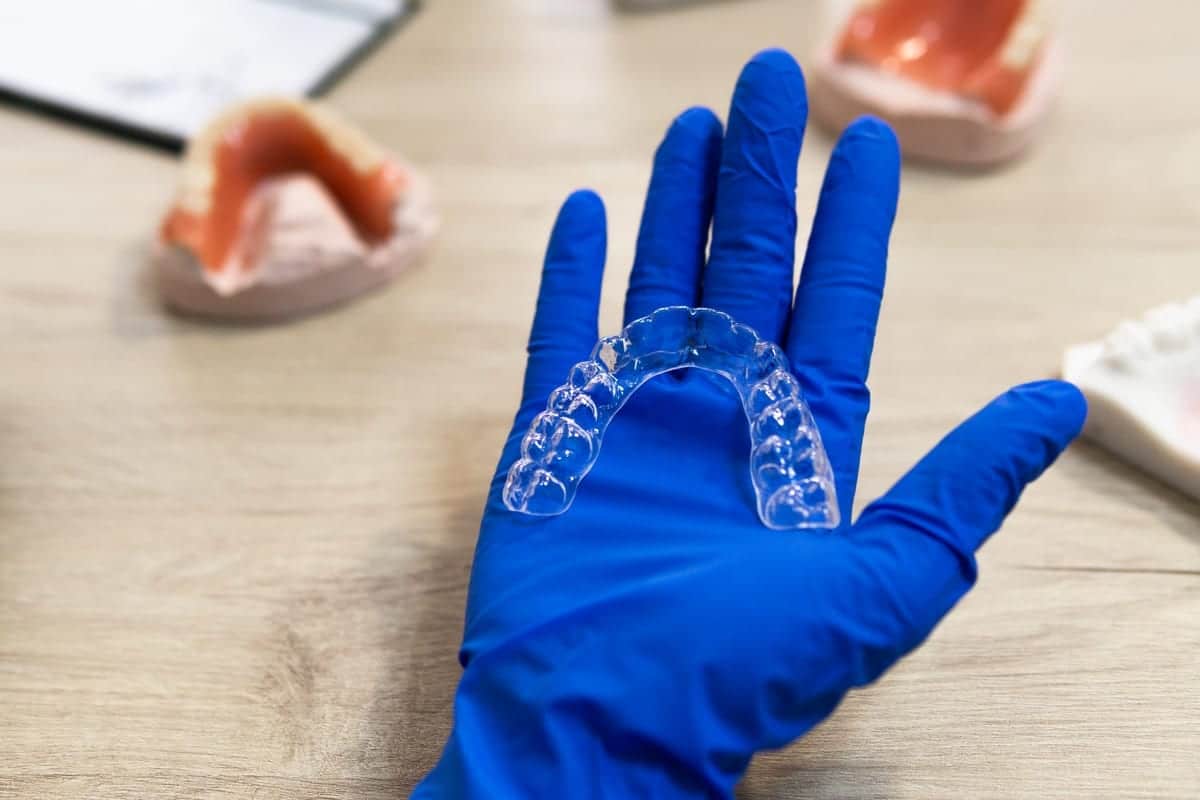
One of the biggest shifts in adult orthodontics has been the rise of clear aligner systems like Invisalign. These removable trays fit over your teeth and gradually guide them into the correct position. They are nearly invisible when worn, which addresses the professional appearance concern directly.
Unlike fixed braces, clear aligners can be removed for meals and brushing. This makes maintaining oral hygiene much simpler throughout treatment. Adults with busy schedules often find this flexibility essential.
Treatment timelines vary based on the complexity of each case. Many adults complete Invisalign treatment in twelve to eighteen months. Some cases with minor misalignment resolve even faster than that.
Our dental team in Ripon evaluates each patient individually. We look at your current alignment, bite, and overall oral health before recommending any course of treatment. That personalized evaluation matters more than any general estimate.
Adults Who Thought They’d Missed Their Window Can Still Straighten Teeth in Ripon — Here Is What to Expect
Starting orthodontic treatment as an adult begins with a thorough dental exam. Your dental team needs to confirm that your gums and bone structure are healthy enough to support tooth movement. Any existing concerns — like decay or gum disease — are addressed before alignment work begins.
Once treatment starts, progress happens gradually and predictably. You receive a series of custom aligners, each designed to move your teeth slightly further toward their final position. Checkups allow your team to monitor progress and make any needed adjustments.
Here is a general overview of what the process looks like for most adult patients:
- Initial consultation and full dental exam to assess oral health
- Digital impressions or scans to map your current tooth positions
- Custom aligner trays are created based on your treatment plan
- You wear each set of trays for the prescribed period — typically one to two weeks
- Regular checkup appointments confirm that your teeth are moving as planned
- Retainers are provided at the end of treatment to maintain your results
The retention phase after treatment is especially important for adults. Teeth can drift back toward their original positions without consistent retainer use. Your dental team will explain exactly how and when to wear your retainer once treatment is complete.
What Adult Patients Should Know About Restorative Work and Alignment
Many adults in Ripon come to us with a combination of cosmetic and restorative goals. Some patients want to straighten their teeth and also address gaps left by missing teeth. Others have existing dental work that needs to be considered as part of their treatment plan.
Alignment and restoration often go hand in hand. Straightening teeth before placing restorations can improve the final outcome significantly. Your dental team will help you understand the right sequence for your specific situation.
In some cases, patients also ask about treatments like Dental Inlays Onlays to restore damaged teeth as part of a broader smile improvement plan. Combining treatments thoughtfully produces better long-term results than addressing each issue in isolation.
The goal is always a healthy, functional smile — not just a straighter one. Our team takes a comprehensive approach to every adult patient we see.
Conclusion: It Is Not Too Late to Start
Adults who assumed orthodontic treatment was behind them now have more options than any previous generation. Clear aligner technology has removed many of the barriers that once made adult treatment feel impractical. Whether your concern is appearance, function, or long-term oral health, addressing alignment as an adult is both possible and worthwhile.
Our dental team at Ryan J. Poppin, DDS is here to answer your questions honestly and help you understand exactly what treatment would look like for you. There is no pressure and no guesswork — just clear information so you can make the best decision for your health. Book Now to schedule your appointment with our team.
Frequently Asked Questions
Can adults really straighten their teeth as effectively as teenagers?
Yes. The biological process of tooth movement works throughout your lifetime. Adults may take slightly longer in some cases due to denser bone, but treatment outcomes are fully effective. Many adults achieve excellent results with modern clear aligner systems.
Is Invisalign suitable for all types of adult misalignment?
Invisalign works well for a wide range of alignment issues, including crowding, spacing, and mild to moderate bite problems. More complex cases may require alternative approaches. Your dental team will evaluate your specific situation and recommend the most appropriate treatment option.
How long does adult orthodontic treatment typically take?
Treatment length depends on the severity of misalignment and the type of treatment used. Many adult Invisalign cases are completed in twelve to eighteen months. Minor corrections can sometimes be completed in as little as six months with the right treatment plan.
Will I need to wear a retainer after treatment is finished?
Yes. Retainer use after orthodontic treatment is essential for adults. Teeth have a natural tendency to shift back toward their original positions. Wearing a retainer as directed by your dental team helps protect the results you worked to achieve.
What if I have existing dental work — can I still get Invisalign?
Existing crowns, bridges, veneers, or fillings do not automatically disqualify someone from Invisalign treatment. Your dental team will review your full dental history before creating a treatment plan. In some cases, the sequence of treatment may be adjusted to account for restorative work.