Pay Online


If you have missing teeth, you have probably heard about dental implants. They are widely considered the gold standard for tooth replacement. But many patients in Ripon ask the same important question: Am I a good candidate for dental implants? This honest guide will walk you through exactly what our dental team looks for before recommending implants.
Not everyone is automatically a candidate. Several factors — including bone density, age, and overall health — play a real role. Understanding these factors helps you make a confident, informed decision about your smile.
What Makes Someone a Good Candidate for Dental Implants in Ripon?
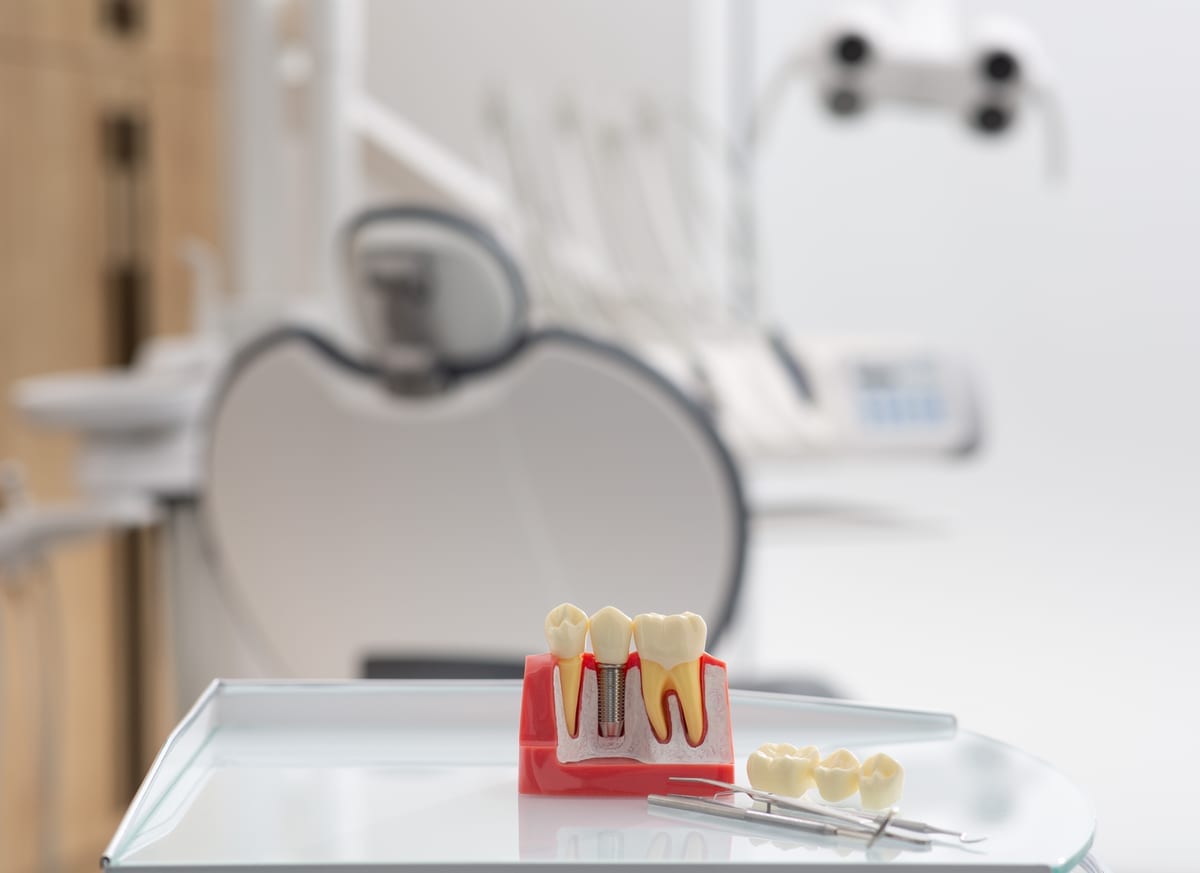
Dental implants require a strong foundation to succeed. The implant is a titanium post surgically placed into your jawbone. Your bone must fuse around it in a process called osseointegration. Without adequate bone volume, this process cannot happen properly.
Good candidates typically share these key characteristics:
- Healthy gum tissue with no active gum disease
- Sufficient jawbone density to support the implant post
- Good overall health with no uncontrolled chronic conditions
- Non-smoker or willingness to quit during the healing process
- Commitment to long-term oral hygiene habits
Meeting these criteria does not guarantee implants are right for you. But they are a strong starting point. Our dental team evaluates each patient individually using X-rays and a thorough clinical exam.
Does Age Affect Dental Implant Candidacy?
Age is a factor — but perhaps not in the way you expect. Older adults are often excellent candidates for dental implants. There is no upper age limit for the procedure. Many patients in their 60s, 70s, and beyond have successful implant outcomes.
The real age concern is on the younger end. Teenagers and young adults whose jawbones are still developing should wait. Placing an implant before the jaw fully matures can cause long-term alignment problems. Our dental team generally recommends waiting until the late teens or early adulthood for most patients.
Overall health matters far more than chronological age. A healthy 70-year-old may be a better candidate than an unhealthy 35-year-old. Age alone should never discourage you from exploring this option.
How Do Health Conditions and Bone Density Impact Your Candidacy?
Certain health conditions can affect your ability to heal after implant surgery. Uncontrolled diabetes, for example, slows healing and increases infection risk. Autoimmune disorders and blood clotting conditions also require careful evaluation. Our team will review your full medical history before moving forward.
Bone density is one of the most critical factors in implant success. After tooth loss, the jawbone begins to shrink over time. This process is called bone resorption. The longer a tooth has been missing, the more bone may have deteriorated.
The good news is that low bone density does not automatically disqualify you. Bone grafting procedures can rebuild lost bone before implant placement. This adds time to the treatment process, but it can make implants possible for many patients who thought they were not candidates. Some patients also need treatment for existing dental issues — such as Root Canal Therapy — before implant placement can begin.
Other restorative work may also be needed first. For example, patients with tooth decay affecting neighboring teeth may need Dental Inlays Onlays to restore those teeth before moving forward with implant planning.
Does Smoking Disqualify You from Getting Dental Implants?
Smoking is one of the most significant risk factors for implant failure. Tobacco use reduces blood flow to the gums and slows the healing process. This increases the risk of infection and prevents proper osseointegration. Studies consistently show higher implant failure rates among smokers.
However, smoking does not automatically disqualify you. Our dental team will have an honest conversation about your habit and what it means for your outcome. Many patients choose to quit smoking before and during the implant process. This dramatically improves the chances of long-term success.
If you currently smoke, that does not mean implants are off the table forever. It does mean that commitment to quitting is an important part of the process. We support patients through this journey because we want your results to last a lifetime.
What to Expect During Your Implant Candidacy Evaluation
Your first step is a comprehensive consultation with our dental team. We will take digital X-rays and possibly a 3D cone beam CT scan. These images show the exact amount of bone available and the position of nerves and sinuses. This information guides every decision we make.
Here is what the evaluation process typically includes:
- A full review of your medical and dental history
- Digital X-rays and/or 3D imaging of your jaw
- A thorough exam of your gums and remaining teeth
- A detailed discussion of your treatment goals and timeline
- A personalized treatment plan tailored to your unique situation
We believe in transparency at every step. If implants are not the right fit, we will explain why clearly. We will also discuss alternative options so you always feel informed and empowered.
Your Honest Next Step Toward Dental Implants in Ripon
Asking whether you are a good candidate for dental implants is the right question to start with. The answer depends on your individual health, bone structure, and lifestyle. Many people who assume they are not candidates discover they actually are — sometimes with a little preparatory treatment first.
Our dental team at Ryan J. Poppin, DDS is here to give you honest, personalized answers. We take the guesswork out of the process. You deserve a clear path forward and a smile that functions and feels completely natural. Book Now to schedule your appointment with our team.
Frequently Asked Questions
Can I get dental implants if I have gum disease?
Active gum disease must be treated before implant placement. Gum disease creates an unstable environment that increases the risk of implant failure. Once your gums are healthy and stable, implant candidacy can be re-evaluated. Our team will guide you through any necessary preparatory treatment first.
How long does the dental implant process take?
The timeline varies based on your individual situation. A straightforward case with adequate bone can take three to six months from placement to final restoration. If bone grafting is needed, the process may take longer. Our team will give you a realistic timeline during your consultation.
Are dental implants painful to get?
Most patients report far less discomfort than they expected. Local anesthesia is used during the procedure, so you should not feel pain during surgery. Some soreness and swelling are normal in the days following placement. Over-the-counter pain relievers typically manage any post-procedure discomfort well.
What happens if I do not have enough bone for an implant?
Insufficient bone does not automatically rule out implants. Bone grafting is a well-established procedure that rebuilds lost bone density. Once the graft heals — usually over several months — implant placement can proceed. Our team will determine if grafting is the right step for your situation.
How long do dental implants last?
With proper care, dental implants can last a lifetime. The crown attached to the implant may need replacement after 10 to 15 years due to normal wear. Maintaining strong oral hygiene and attending regular dental checkups significantly extends the life of your implant. They are considered the most durable long-term tooth replacement solution available.