Pay Online


Porcelain Veneers Salida: Your Complete FAQ Guide
Porcelain Veneers Salida residents ask about are a popular cosmetic solution for transforming smiles. These thin shells of dental ceramic bond to the front of teeth to correct imperfections. As late spring brings prom, graduation ceremonies, and special celebrations throughout the Salida community, many patients consider veneers to look their best for photos and milestones.
Our dental team at Ryan J. Poppin, DDS understands you have questions before committing to any cosmetic procedure. This guide answers the most common patient questions about porcelain veneers. We provide clear, educational information to help you make an informed decision about your smile.
What Exactly Are Porcelain Veneers and How Do They Work?
Porcelain veneers are custom-made shells that cover the front surface of your teeth. They are crafted from high-quality dental ceramic that mimics the light-reflecting properties of natural tooth enamel. Each veneer is typically between 0.5 and 0.7 millimeters thick, roughly the thickness of a contact lens.
The process involves removing a small amount of enamel from your natural teeth. This creates space for the veneers to fit flush with your gumline and adjacent teeth. Your dentist then bonds the veneers permanently using special dental adhesive and curing light.
Veneers address multiple cosmetic concerns in a single treatment:
- Discolored or stained teeth that do not respond to whitening
- Chipped, cracked, or worn tooth edges
- Slightly misaligned or uneven teeth
- Gaps between teeth that affect your smile appearance
- Irregularly shaped or undersized teeth
The result is a natural-looking smile transformation. Porcelain reflects light like your natural teeth, making veneers virtually undetectable when properly designed and placed.
How Long Does the Porcelain Veneers Salida Process Actually Take?
Getting porcelain veneers typically requires two to three appointments over two to three weeks. The timeline depends on how many veneers you need and the complexity of your case.
Your first appointment is a consultation and preparation visit. During this visit, your dentist examines your teeth and discusses your goals. If you decide to proceed, the dentist prepares your teeth by removing a thin layer of enamel. This step takes about one to two hours depending on the number of teeth involved.
After preparation, your dentist takes impressions or digital scans of your teeth. These go to a dental laboratory where skilled technicians craft your custom veneers. This fabrication process takes approximately two weeks. You may receive temporary veneers to wear during this period.
Your final appointment involves bonding the permanent veneers to your prepared teeth. Your dentist checks the fit, shape, and color before permanently cementing them. This appointment typically lasts one to two hours. You leave with your complete smile transformation the same day.
Will Getting Veneers Hurt During or After the Procedure?
Most patients experience minimal discomfort during the veneer procedure. Your dentist uses local anesthesia to numb your teeth and gums before any preparation work. You should feel only slight pressure during the tooth preparation process.
After the anesthesia wears off, you may notice some sensitivity. This is normal and usually mild. Your teeth may feel sensitive to temperature for a few days. Over-the-counter pain relievers typically manage any discomfort effectively.
If you receive temporary veneers between appointments, you might experience minor gum irritation. These temporaries protect your prepared teeth but are not as smooth as the final porcelain versions. Any irritation resolves once your permanent veneers are placed.
Once your permanent veneers are bonded, most sensitivity disappears within a week. Your teeth adjust to their new contours quickly. If sensitivity persists beyond two weeks, contact your dentist to ensure proper fit and bite alignment.
How Much Do Porcelain Veneers Cost in the Salida Area?
Porcelain veneer costs vary based on several factors. The number of veneers needed significantly impacts your total investment. Some patients transform their smile with four to six veneers on their most visible teeth. Others prefer eight to ten veneers for a more comprehensive change.
Material quality affects pricing as well. Premium porcelain materials offer superior translucency and stain resistance. The expertise of both your dentist and the laboratory technician also influences cost. Highly skilled professionals create more natural-looking, longer-lasting results.
Geographic location plays a role in pricing too. Practices near Ripon and throughout the Central Valley typically offer competitive rates compared to larger metropolitan areas. During graduation season in Salida, some dental practices may offer special considerations for patients seeking smile makeovers for these important life events.
Most dental practices offer payment plans or financing options. These make veneers more accessible by spreading the investment over manageable monthly payments. Discussing your budget during your consultation helps your dental team create a treatment plan that works for you.
How Long Will My Porcelain Veneers Actually Last?
High-quality porcelain veneers typically last between 10 and 15 years with proper care. Some patients enjoy their veneers for 20 years or longer. Longevity depends on multiple factors including oral hygiene habits, bite forces, and lifestyle choices.
Your daily care routine directly impacts veneer lifespan:
- Brush twice daily with non-abrasive toothpaste to prevent surface wear
- Floss daily to maintain healthy gums around the veneers
- Avoid biting hard objects like ice, pens, or fingernails
- Wear a nightguard if you grind your teeth during sleep
- Visit your dentist regularly for professional cleanings and examinations
The bond between veneer and tooth remains strong when properly maintained. Porcelain itself resists staining from coffee, tea, and red wine far better than natural enamel. However, the edges where veneer meets tooth can accumulate stain if oral hygiene lapses.
Eventually, veneers may need replacement due to normal wear or changes in your mouth. When the time comes, your dentist can remove old veneers and place new ones. The replacement process is similar to your initial procedure.
Can I Eat Normally With Porcelain Veneers?
Yes, you can eat most foods normally with porcelain veneers. Once fully bonded, veneers function like your natural teeth. The strong ceramic material withstands normal chewing forces effectively.
However, some precautions protect your investment. Avoid biting directly into extremely hard foods with your front teeth. These include hard candies, ice, nut shells, and bones. Instead, cut hard foods into smaller pieces and chew with your back teeth.
Sticky foods like caramel or taffy can potentially dislodge veneers if pulled forcefully. Exercise reasonable caution with these foods. Most patients enjoy them without problems when eaten carefully.
The temperate climate in Salida means year-round access to fresh fruits and vegetables. These foods are excellent choices for maintaining both your veneers and overall oral health. Crunchy vegetables and fruits naturally clean teeth while providing essential nutrients.
Your veneers should feel completely natural within a few days. You will likely forget you have them as you go about your daily meals. If you notice sharp edges or bite problems, contact your dentist for a quick adjustment.
What Is the Difference Between Veneers and Crowns?
Porcelain veneers and crowns serve different purposes in restorative and cosmetic dentistry. Understanding the distinction helps you choose the right treatment for your situation.
Veneers cover only the front surface of teeth. They require minimal tooth preparation, preserving most of your natural tooth structure. Dentists recommend veneers primarily for cosmetic improvements when the tooth is otherwise healthy and strong.
Crowns cover the entire tooth, encasing it 360 degrees. They require more extensive tooth preparation, removing more enamel. Crowns provide both cosmetic improvement and structural support for weakened or damaged teeth.
Here are the key differences:
- Amount of tooth removal: Veneers require minimal enamel removal while crowns need substantial reduction
- Coverage area: Veneers cover only the front while crowns encase the entire tooth
- Primary purpose: Veneers focus on appearance while crowns restore strength and appearance
- Best candidates: Veneers suit healthy teeth with cosmetic flaws while crowns repair damaged teeth
Your dentist evaluates your specific situation during your consultation. If your teeth have significant decay, large fillings, or structural damage, crowns may be more appropriate. For purely cosmetic concerns on healthy teeth, veneers offer a conservative solution.
Will People Be Able to Tell I Have Veneers?
Well-designed porcelain veneers look completely natural. Most people will not detect that you have veneers unless you tell them. The goal is enhancing your smile while maintaining a natural appearance that suits your facial features.
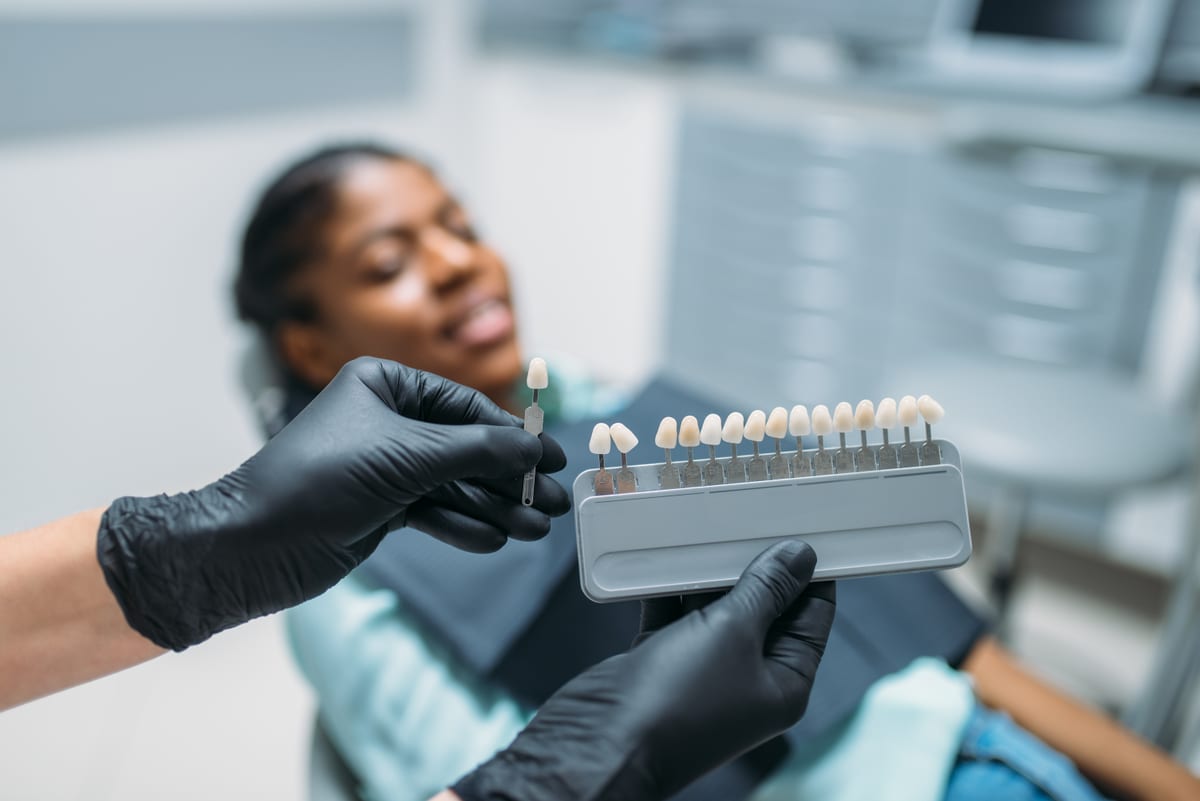
Your dentist customizes several factors to achieve natural results. Color selection matches your desired shade while complementing your skin tone and age. Shape and size are proportioned to your face, lips, and gum tissue. Texture and translucency mimic natural tooth characteristics.
The laboratory technician adds subtle variations to prevent a uniform, artificial look. Natural teeth have slight color gradations and surface irregularities. High-quality veneers replicate these details. The edges are carefully blended with your gumline for seamless integration.
Communication with your dentist ensures you get the look you want. Some patients prefer a Hollywood-white, perfectly aligned smile. Others want a more subtle improvement that looks like their natural teeth, just better. Bring photos of smiles you admire to your consultation at our practice to help communicate your vision.
Temporary veneers placed between appointments give you a preview. You can request adjustments to shape, length, or color before the permanent versions are made. This trial period ensures your complete satisfaction with the final result.
Do I Still Need Regular Dental Visits After Getting Veneers?
Yes, regular dental visits remain essential after receiving veneers. Your veneers cover only the front of your teeth. The rest of your tooth structure and your gums still require professional monitoring and care.
Schedule cleanings and examinations every six months as recommended. Your hygienist will clean around and beneath your veneers carefully. Professional cleanings remove plaque and tartar that brushing alone cannot eliminate.
Your dentist checks your veneers during these visits. They examine the bond integrity, look for chips or wear, and assess your bite alignment. Early detection of minor issues prevents larger problems later. Small adjustments made promptly extend the life of your veneers.
These visits also monitor your overall oral health. Your dentist screens for cavities, gum disease, and oral cancer. The teeth beneath your veneers can still develop decay if bacteria accumulate at the margins. Regular care prevents this.
Maintaining your oral health protects your veneer investment. Healthy gums frame your new smile beautifully. Strong underlying teeth support your veneers for many years. Professional care combined with excellent home hygiene maximizes your results.
Can Veneers Fix Severely Crooked or Misaligned Teeth?
Porcelain veneers can improve the appearance of mildly crooked or misaligned teeth. They create the illusion of straighter teeth by reshaping the visible surfaces. However, veneers do not actually move teeth into better positions.
Veneers work best for minor alignment issues. These include slightly rotated teeth, small gaps, or teeth that appear uneven in length. Your dentist can build out certain areas to create a more uniform smile line.
Severely crooked or misaligned teeth require orthodontic treatment first. Braces or clear aligners move teeth into proper positions. Attempting to cover severe misalignment with veneers alone can lead to bulky, unnatural results. It may also compromise your bite function.
In some cases, combining treatments produces optimal results. Patients complete orthodontic treatment to align their teeth properly. Then they receive veneers to perfect the color, shape, and size. This comprehensive approach addresses both structural and cosmetic concerns.
During your consultation, your dentist assesses whether veneers alone will achieve your goals. They may recommend alternative or complementary treatments. Honest guidance ensures you invest in the treatment that delivers your desired outcome.
If you are considering Porcelain Veneers Salida dental patients trust for smile transformations, we invite you to explore your options. Our dental team provides personalized consultations to determine if veneers are right for you. Learn More about how we can help you achieve the confident smile you deserve.
Frequently Asked Questions
Are porcelain veneers permanent or reversible?
Porcelain veneers are considered a permanent treatment because your dentist removes a thin layer of enamel during preparation. This enamel does not grow back, so your teeth will always need some type of coverage. However, veneers themselves can be replaced if they become damaged or worn over time. The commitment is to having your teeth covered, not necessarily to the same set of veneers forever.
Can veneers be whitened if they become stained?
Porcelain veneers cannot be whitened with traditional bleaching treatments. The ceramic material does not respond to whitening agents the way natural tooth enamel does. However, high-quality porcelain is highly stain-resistant and maintains its color for many years. Professional cleaning removes surface stains caused by coffee, tea, or other foods. If your veneers discolor significantly, replacement is the only option to restore their original brightness.
What happens to my natural teeth underneath the veneers?
Your natural teeth remain beneath the veneers and continue to be part of your oral health. The small amount of enamel removed during preparation does not harm the tooth structure. Your teeth stay alive and healthy with proper care. The veneer protects the front surface from wear and staining. Regular dental visits ensure the teeth beneath your veneers remain cavity-free and strong.
Can I get veneers on just one or two teeth?
Yes, you can get veneers on individual teeth to correct specific problems. Single-tooth veneers often address chips, cracks, or discoloration affecting one tooth. Your dentist carefully matches the veneer color to your surrounding natural teeth for a seamless blend. However, many patients choose to veneer multiple front teeth for more uniform results. This approach ensures consistent color and shape across your entire smile rather than trying to match one veneer to aging natural teeth.
How soon after getting veneers can I return to normal activities?
You can return to normal activities immediately after your veneer placement appointment. There is no required recovery period or downtime. You may experience minor sensitivity for a few days, but this does not limit your daily routine. Most patients return to work or school right after their appointment. You can drive yourself home and resume eating once any local anesthesia wears off completely, typically within two to three hours.