Pay Online


Teeth Whitening Salida: What You Need to Know
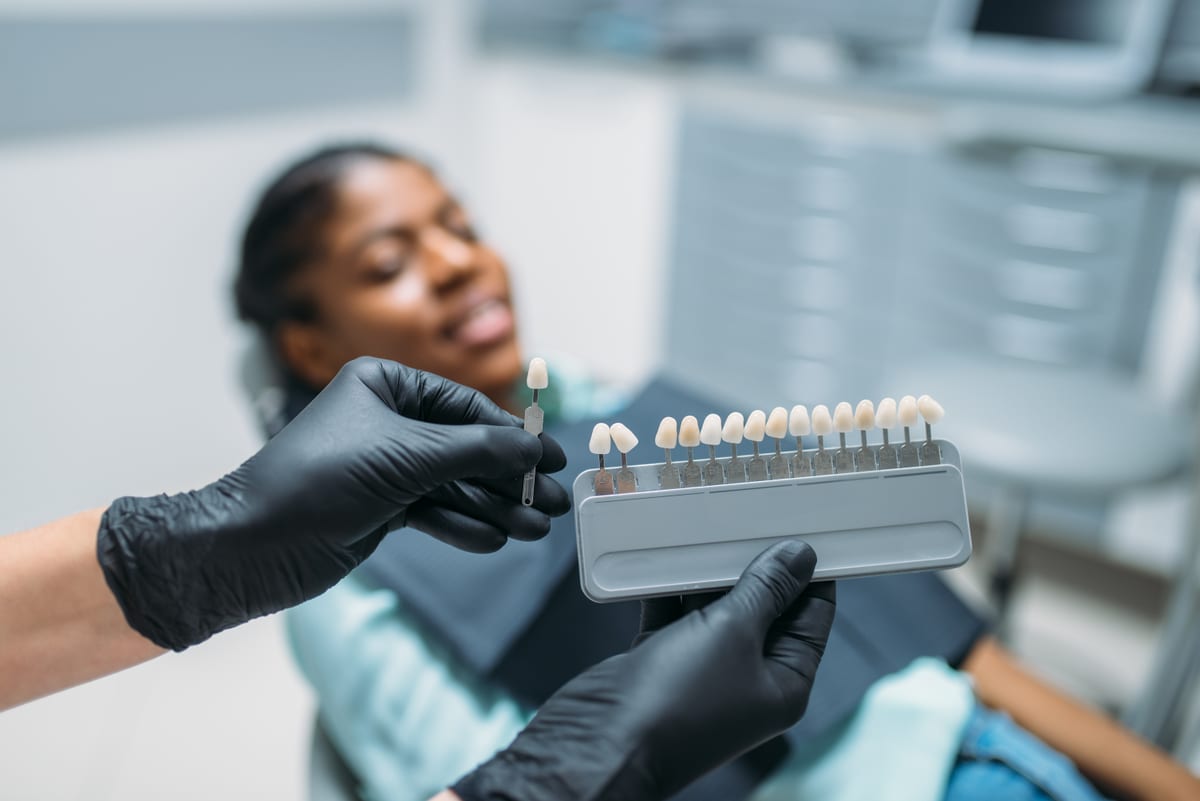
If you live near Salida and want a brighter smile, professional teeth whitening is worth exploring. Teeth Whitening Salida patients seek is more effective than most store-bought products. Understanding your options helps you make a smart, informed decision. This guide walks you through the key facts about professional whitening treatments.
Why Teeth Lose Their Brightness Over Time
Teeth naturally darken with age. Enamel thins gradually, revealing the yellowish dentin layer beneath. This process is completely normal and happens to everyone.
Certain foods and drinks speed up staining. Coffee, tea, red wine, and dark berries are common culprits. Tobacco use also causes deep, stubborn discoloration that is hard to reverse at home.
Some staining comes from inside the tooth itself. Antibiotics like tetracycline can cause intrinsic stains during tooth development. These types of stains often respond better to specific professional treatments rather than basic whitening gels.
- Surface stains from food and drinks
- Age-related enamel thinning and yellowing
- Tobacco and smoking stains
- Intrinsic stains from medications or trauma
- Fluorosis spots from excessive fluoride during childhood
Teeth Whitening Salida Patients Can Access: Professional Options
Professional whitening treatments use higher-concentration bleaching agents than over-the-counter kits. A dental team applies these in a controlled, safe environment. Results are typically much faster and more dramatic.
In-office whitening is one popular choice. A dental professional applies a strong gel directly to your teeth. The treatment usually takes about one hour and delivers noticeable results in a single visit.
Take-home whitening trays are another effective option. Your dentist creates custom-fitted trays for your mouth. You wear them with a professional-grade gel for a set period each day, usually one to two weeks.
- In-office treatment for fast, visible results
- Custom take-home trays for gradual, convenient whitening
- Combination approaches for maximum brightening effect
- Touch-up treatments to maintain your results over time
How to Know If You Are a Good Candidate
Not everyone is an ideal candidate for teeth whitening right away. Your dental health needs to be in good shape first. Cavities, gum disease, or cracked teeth should be addressed before beginning any whitening treatment.
Whitening products do not change the color of crowns, veneers, or fillings. If you have restorations on visible front teeth, whitening may create uneven color. Your dental team can help you plan around existing dental work.
Patients with tooth sensitivity may need a gentler approach. Whitening gels can temporarily increase sensitivity in some patients. A professional evaluation helps you choose the right strength and application method to minimize discomfort.
Pregnant or nursing patients are generally advised to wait before whitening. The safety of bleaching agents during pregnancy has not been fully studied. It is always better to wait until after this period to begin elective cosmetic treatments.
What to Expect During and After Treatment
Before whitening, your dentist will examine your teeth and gums. A professional cleaning and exam is often recommended first. Clean teeth respond better to whitening agents and produce more even results.
During in-office treatment, your gums are protected with a barrier gel or rubber shield. The whitening gel is then applied carefully to each tooth surface. You may sit under a special light that activates the gel and speeds up the process.
After treatment, some patients notice mild tooth sensitivity for a day or two. This is temporary and usually resolves on its own. Avoiding very hot or cold foods right after treatment can help reduce discomfort.
Your results can last anywhere from several months to a few years. Maintenance depends on your diet and oral hygiene habits. Avoid staining foods and drinks for at least 48 hours after your whitening session for the best outcome.
Maintaining Your Whitening Results Long-Term
Good oral hygiene habits are essential for keeping your smile bright. Brush twice daily and floss regularly to remove surface stains before they set. Using a whitening toothpaste can help maintain results between professional treatments.
Rinsing with water after consuming staining beverages also helps. Using a straw for coffee or tea reduces contact with your tooth enamel. Small habits like these add up to a noticeably whiter smile over time.
Scheduling regular professional cleanings removes built-up tartar and surface stains. Your dental team can also offer periodic touch-up treatments as needed. Visiting the team at Smile Gallery level results starts with consistent professional care.
If you are considering a more comprehensive smile transformation, whitening is often just the first step. Some patients combine whitening with veneers or other cosmetic treatments. Talking with your dental team helps you create a personalized plan for your smile goals.
Conclusion: Taking the Next Step Toward a Brighter Smile
Understanding your whitening options is the first step to a more confident smile. Salida patients have access to safe, effective professional treatments through experienced dental teams. The right treatment depends on your dental health, goals, and lifestyle. Always consult with a dental professional before starting any whitening program. Learn More about how we can help you.
Frequently Asked Questions
How long does professional teeth whitening last?
Professional teeth whitening results typically last between six months and two years. The duration depends on your diet, oral hygiene, and whether you use touch-up treatments. Avoiding staining foods and drinks helps extend your results significantly.
Is teeth whitening safe for sensitive teeth?
Whitening can be done safely for patients with sensitive teeth, but adjustments are needed. Your dental team may recommend a lower-concentration gel or shorter application times. Desensitizing toothpaste before and after treatment can also reduce discomfort.
Can teeth whitening remove all types of stains?
Professional whitening works best on extrinsic stains caused by food, drinks, and tobacco. Intrinsic stains from medications or trauma may not respond as well to bleaching. Your dentist can evaluate your staining type and recommend the most effective approach.
How many shades whiter can I expect my teeth to become?
Most patients achieve between three and eight shades of improvement with professional whitening. Individual results vary based on the original tooth color and type of staining. Your dental team can give you a realistic expectation during your consultation.
Do whitening toothpastes work as well as professional treatments?
Whitening toothpastes can remove mild surface stains but cannot deeply bleach teeth. They typically produce subtle changes over time rather than dramatic results. Professional treatments use stronger agents that penetrate deeper into the enamel for more noticeable whitening.