Pay Online


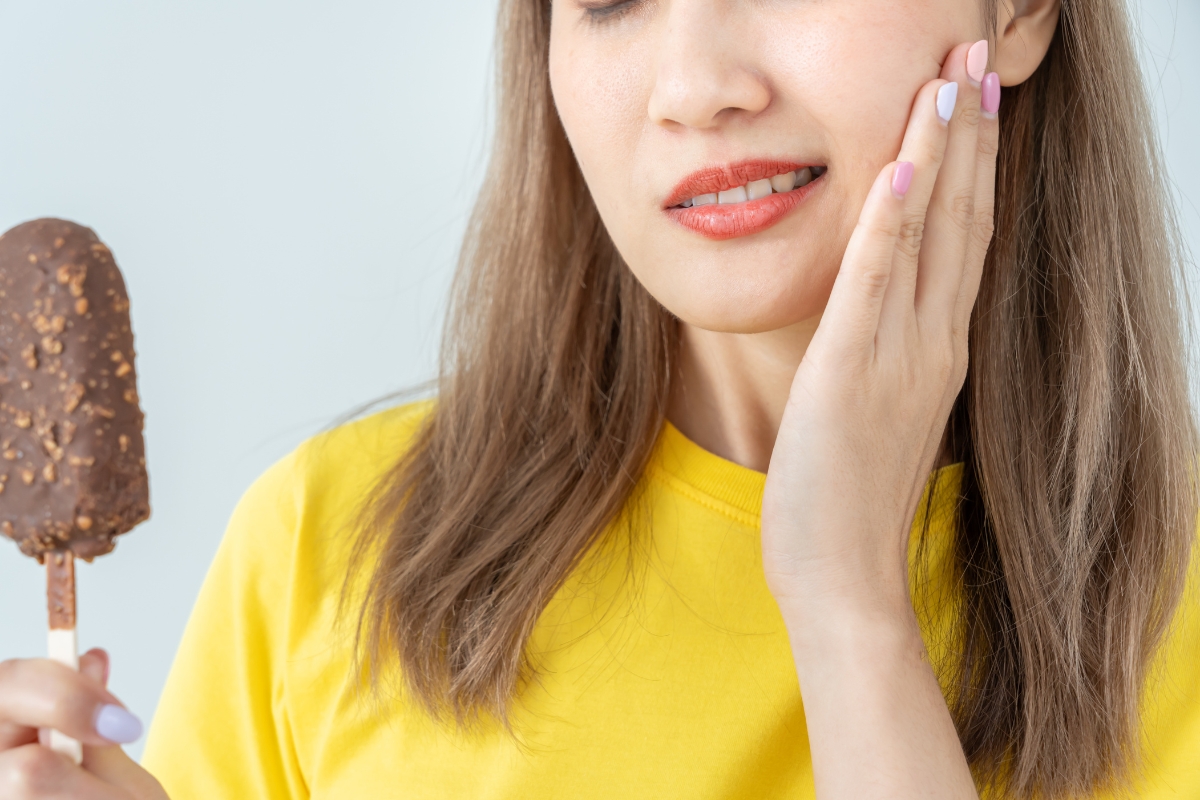
Chilly winter mornings can be beautiful — the crisp air, clear blue skies, and a quiet calm that makes early walks feel refreshing. But for many people, that refreshing cold air comes with an unpleasant surprise: sharp, sudden pain in their teeth when they breathe in deeply.
You might enjoy the cooler temperatures around Lake Yosemite or appreciate strolling through downtown Ripon during the holidays, only to flinch each time a cold breeze hits your face. Why does this happen? And more importantly, what can you do about it so that winter outings feel comfortable rather than painful?
Let’s break this down in a way that makes sense and gives you practical next steps.
What Causes Sharp Pain When You Breathe Cold Air?
Teeth are covered by enamel, the strongest substance in your body. However, beneath that enamel are layers that are more sensitive, especially the dentin. When the enamel wears down or the gums recede, dentin can get exposed. This layer contains tiny tubules that connect to nerve endings inside the tooth.
Here are the main reasons cold air triggers pain:
1. Exposed Dentin Due to Gum Recession
Gums naturally pull back over time due to brushing too hard, gum inflammation, or age. When the protective gum layer retreats, dentin becomes exposed. Breathing cold air directly on this sensitive surface sends a shock to the nerves.
2. Worn Enamel From Brushing or Diet
Vigorous brushing or frequent consumption of chewy, acidic foods and drinks can slowly erode enamel. With less enamel, dentin becomes more vulnerable to temperature changes.
3. Cracks or Minor Chips in Teeth
Small cracks in teeth may allow cold air to penetrate deeper, touching the pulp where sensitive nerves live.
4. Sinus Congestion and Pressure
Winter brings more colds and sinus stuffiness. Sinus inflammation can put pressure on upper teeth, especially the molars, making them feel sensitive to cold air.
5. Recent Dental Work
Fillings or restorations can leave a temporary sensitivity that generally fades in a few weeks. But cold breezes can make that feeling more noticeable.
Practical Ways to Reduce Tooth Pain From Cold Air
You don’t have to avoid all outdoor winter fun in Ripon just because a gust of cold air triggers discomfort. Here are friendly ways to protect your teeth:
1. Switch to a Soft‑Bristled Toothbrush
Brushing gently with a soft brush protects enamel and prevents gum irritation.
2. Use a Toothpaste for Sensitive Teeth
Special toothpaste helps block the tiny pathways that trigger sensitivity. This can make cold air less jarring.
3. Cover Your Mouth in Cold Weather
Wrap a scarf or cold‑weather gaiter loosely over your mouth when it’s chilly. This warms the air before it hits your teeth.
4. Avoid Highly Acidic Foods and Drinks
Citrus, soda, and even frequent coffee can soften enamel over time. Enjoy these occasionally, and rinse with water afterward.
5. Keep Up With Routine Dental Care
Regular cleanings and exams help identify sensitivity triggers early. If brushing, diet changes, and at‑home care aren’t enough, your dentist can offer additional options to help comfort your teeth.
If home remedies aren’t easing your symptoms, you might consider ways to fix tooth sensitivity in Ripon using the seal-and-protect method. It’s about covering the exposed dentin, safeguarding enamel, and soothing sensitive areas.
When Should You See a Dentist?
Sensitivity that appears suddenly or worsens over time deserves attention. If your teeth hurt when cold air hits them, especially if the pain lingers, an exam can pinpoint the cause. Things like deep enamel loss, gum recession, or cracks are best evaluated with professional tools and experience.
A dental visit can also rule out more serious issues, such as cavities or fractures, that may be causing or contributing to the sensitivity.
At a dental office near you in Ripon, you can expect a thorough check, clear explanations of what’s happening with your oral health, and practical, personalized recommendations to help you feel better and enjoy seasonal weather without hesitation.
Tips for Winter Oral Health in Ripon
Ripon’s winter weather is generally mild compared to some parts of the U.S., but cold mornings and breezy afternoons are common. Protecting your smile throughout the season can make daily life more pleasant. Here are a few local‑friendly habits:
Keep Hydrated
Drinking water throughout the day helps maintain saliva flow. Saliva naturally protects enamel and keeps tissues healthy.
Be Mindful After Outdoor Activities
If you’ve been outside walking near Hilmar Cheese Factory or grabbing coffee downtown, breathe through your nose when possible to avoid direct cold air on your teeth.
Manage Cold‑Weather Dry Mouth
Indoor heaters can dry out your mouth and worsen sensitivity. Sip water and consider a humidifier at night.
Cold air shouldn’t keep you from enjoying Ripon’s winter walks, holiday lights, or morning coffee runs. If sensitivity is affecting your daily life, connecting with a dental professional can help you find reliable relief.
Whether your sensitivity is mild or ongoing, Ryan J. Poppin, DDS, and team can help you explore ways to address discomfort and support your smile through every season. Schedule an appointment and let your local Ripon dental office help make cold‑air discomfort a thing of the past.
People Also Ask
Q: Why does it hurt only in winter?
Cold air causes rapid temperature changes in your mouth. Dentin transmits that change to nerve endings, triggering pain. Winter’s chill increases exposure.
Q: Is this sensitivity a sign of decay?
Not always. Sensitivity can come from enamel wear or gum recession. However, cavities and cracks can also cause similar pain. An exam will clarify the cause.
Q: Can I keep eating ice cream in winter?
Absolutely — just pace yourself. Eating cold foods occasionally is fine. But if your teeth are sensitive, take smaller bites and rinse with water afterward.
Q: Will covering my mouth really help?
Yes. A scarf or gaiter warms the air before it reaches your teeth, reducing the shock that causes discomfort.
Q: How long does it take to improve?
With routine care, such as sensitive toothpaste and gentle brushing, many people see improvement in a few weeks. Persistent or sharp pain should be evaluated sooner.