Pay Online


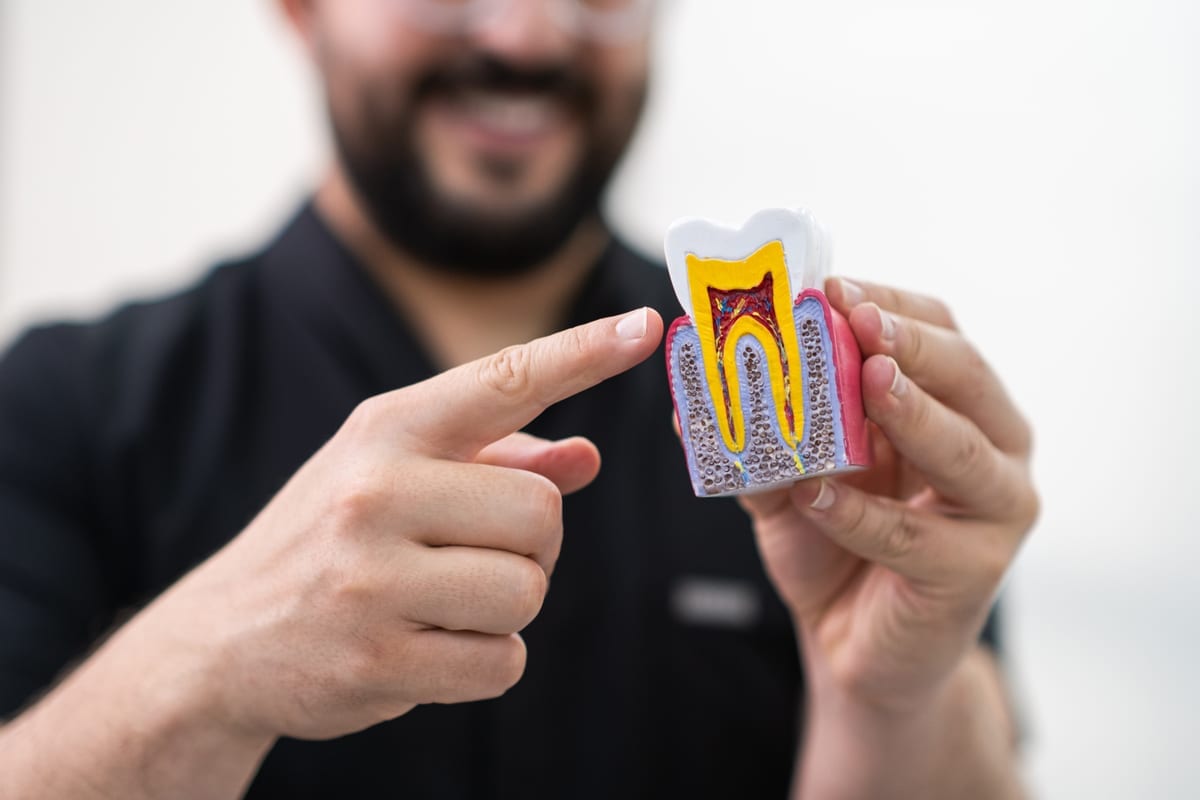
Many patients in Salida avoid root canal treatment because they fear the pain. That fear is understandable — but it is largely based on outdated information. Understanding root canal pain and what you’ll actually feel during treatment in Salida can help you walk into your appointment with confidence. Modern dentistry has transformed this procedure into something far more manageable than most people expect.
At Ryan J. Poppin, DDS, our dental team takes patient comfort seriously. We want you to know exactly what to expect before, during, and after your procedure. This guide gives you an honest, clear picture of the experience.
Does a Root Canal Actually Hurt? The Honest Answer
The short answer is: the procedure itself should not hurt. Most patients report feeling little to no pain during the treatment. The discomfort you may have felt before the procedure — from the infected tooth — is usually far worse than the root canal itself.
The infection or inflammation in the tooth pulp is what causes that sharp, throbbing pain before treatment. The root canal removes the source of that pain. Think of it as pain relief, not pain creation.
That said, it is normal to feel some pressure or mild sensations during the procedure. These are different from sharp pain. Our dental team monitors your comfort throughout every step.
How Modern Anesthesia Controls Root Canal Pain in Salida
Local anesthesia is the foundation of a comfortable root canal experience. Our dental team applies a numbing agent to the gum tissue before injecting the anesthetic. This minimizes the sting of the injection itself.
The anesthetic blocks nerve signals in the treatment area completely. Once it takes effect, you should feel no sharp pain at all. Some patients feel surprised by how calm and pain-free the process feels.
Here is what modern anesthesia does for you during a root canal:
- Numbs the tooth and surrounding tissue fully before treatment begins
- Prevents nerve signals from reaching your brain during the procedure
- Can be topped up during treatment if any sensation returns
- Wears off gradually after you leave, giving you time to prepare
If you feel any discomfort during treatment, always tell our dental team immediately. We can adjust the anesthesia to keep you comfortable. Patient communication is a key part of our approach.
What You’ll Feel During the Procedure Step by Step
Understanding each stage of the procedure helps reduce anxiety. Here is a realistic breakdown of what to expect when you sit in the chair.
- Numbing phase: You will feel slight pressure from the injection. Within minutes, the area becomes fully numb.
- Access opening: The dentist creates a small opening in the tooth. You will feel pressure but no sharp pain.
- Pulp removal: Infected tissue is carefully removed. This is the step patients fear most — but with proper anesthesia, you feel only mild pressure.
- Cleaning and shaping: Tiny instruments clean the root canals. You may feel vibration or movement but not pain.
- Sealing: The canals are filled and sealed. This final step involves minimal sensation.
Most root canal appointments take between 60 and 90 minutes. More complex cases may require a second visit. Our dental team will always explain your specific treatment plan in advance.
Root Canal Recovery: What to Expect After Treatment
Post-procedure discomfort is real, and we want to prepare you for it honestly. Once the anesthesia wears off, you may notice tenderness around the treated tooth. This is completely normal and usually peaks within the first 24 to 48 hours.
The tissue around the tooth has been working hard during treatment. Some mild inflammation is expected as it heals. Over-the-counter pain relievers are usually enough to manage this discomfort effectively.
Here are common recovery experiences and how to manage them:
- Tooth sensitivity: The treated tooth may feel sensitive when biting. Avoid chewing on that side for a day or two.
- Gum soreness: The gums near the injection site may feel tender. This typically fades within 24 hours.
- Mild swelling: Minor swelling around the jaw is possible. A cold compress applied for 10 minutes at a time helps.
- Jaw stiffness: Keeping your mouth open during treatment can leave your jaw feeling tired. Gentle stretching helps.
Most patients return to normal daily activities the following day. Avoid very hot, cold, or hard foods while the area is still sensitive. If pain increases sharply after 72 hours, contact our office right away.
When Root Canal Pain Signals a Problem
Some discomfort after a root canal is expected. However, certain signs suggest you should call our office sooner rather than later. Knowing the difference helps you recover with confidence.
Contact our dental team if you experience any of the following after treatment:
- Pain that gets significantly worse after three days
- Visible swelling that spreads to the jaw, neck, or cheek
- A fever above 101°F that does not subside
- The temporary crown or filling falls out
- A bitter taste or pus near the treated tooth
These symptoms are uncommon but important to address promptly. Our dental team is available to help you through every stage of recovery. Early contact prevents small issues from becoming larger ones.
After your root canal, our team may also discuss restoring the tooth with a dental crown or other options depending on your needs. For patients with more complex tooth loss concerns, options like Dental Implants Salida may be worth exploring as a long-term solution. We also offer Dental Inlays Onlays Salida as a conservative restoration option for damaged teeth that do not require full crowns.
Taking the Fear Out of Root Canal Treatment
The biggest barrier to root canal treatment is the fear of pain — not the pain itself. Most patients tell us the procedure was far easier than they expected. Many even say it felt similar to a routine filling.
Our dental team uses a calm, informative approach to care. We explain every step before we take it. You are never left wondering what is happening inside your mouth.
If dental anxiety is a concern for you, please tell us before your appointment. We have strategies to help you feel more at ease throughout your visit. Your comfort is always our priority.
Patients in Salida dealing with tooth pain should not delay seeking care. Untreated infections can spread and become more serious over time. A root canal done promptly protects your health and saves your natural tooth.
Root canal pain and what you’ll actually feel during treatment in Salida is a topic we are always happy to discuss in person. Our goal is to give you the information you need to make confident decisions about your dental health. Book Now to schedule your appointment with our team.
Frequently Asked Questions
Is a root canal painful while it is happening?
With modern local anesthesia, most patients feel no sharp pain during the procedure. You may notice pressure or mild vibration, but the anesthetic prevents true pain signals from reaching your brain. If you feel discomfort at any point, let your dentist know immediately so they can adjust.
How long does root canal pain last after treatment?
Mild soreness and sensitivity typically last 24 to 72 hours after treatment. This is caused by normal tissue inflammation around the treated area. Over-the-counter pain relievers are usually sufficient to manage it. Most patients feel significantly better within two to three days.
What does a root canal feel like compared to a tooth extraction?
Many patients find a root canal comparable to having a filling placed. A tooth extraction involves more physical force and typically has a longer recovery. Root canal treatment is designed to save your natural tooth, which generally leads to a more comfortable long-term outcome.
Can I drive myself home after a root canal?
Yes, in most cases you can drive yourself home. Root canals use local anesthesia only, which does not affect your alertness or coordination. Your mouth and jaw may feel numb for a few hours, so be mindful when eating or drinking until full sensation returns.
What happens if I leave an infected tooth untreated instead of getting a root canal?
An untreated dental infection can spread to surrounding teeth, gum tissue, and even the jawbone. In serious cases, the infection can reach the neck or bloodstream. Getting timely root canal treatment stops the infection, relieves pain, and protects your overall health.